
Data Engineer Roadmap 2026 Your 10 Step Guide to a Fast Growing Tech Career
· 26 min read

How to use this 2026 Data Engineer Roadmap (quick orientation)
Are you looking for a career that’s really growing in 2026? Becoming a data engineer might be just the right path for you!

This data engineer roadmap is your simple, step-by-step guide to entering this exciting field. It’s designed for anyone who wants to build a strong future in technology.
This roadmap is perfect for different kinds of people:
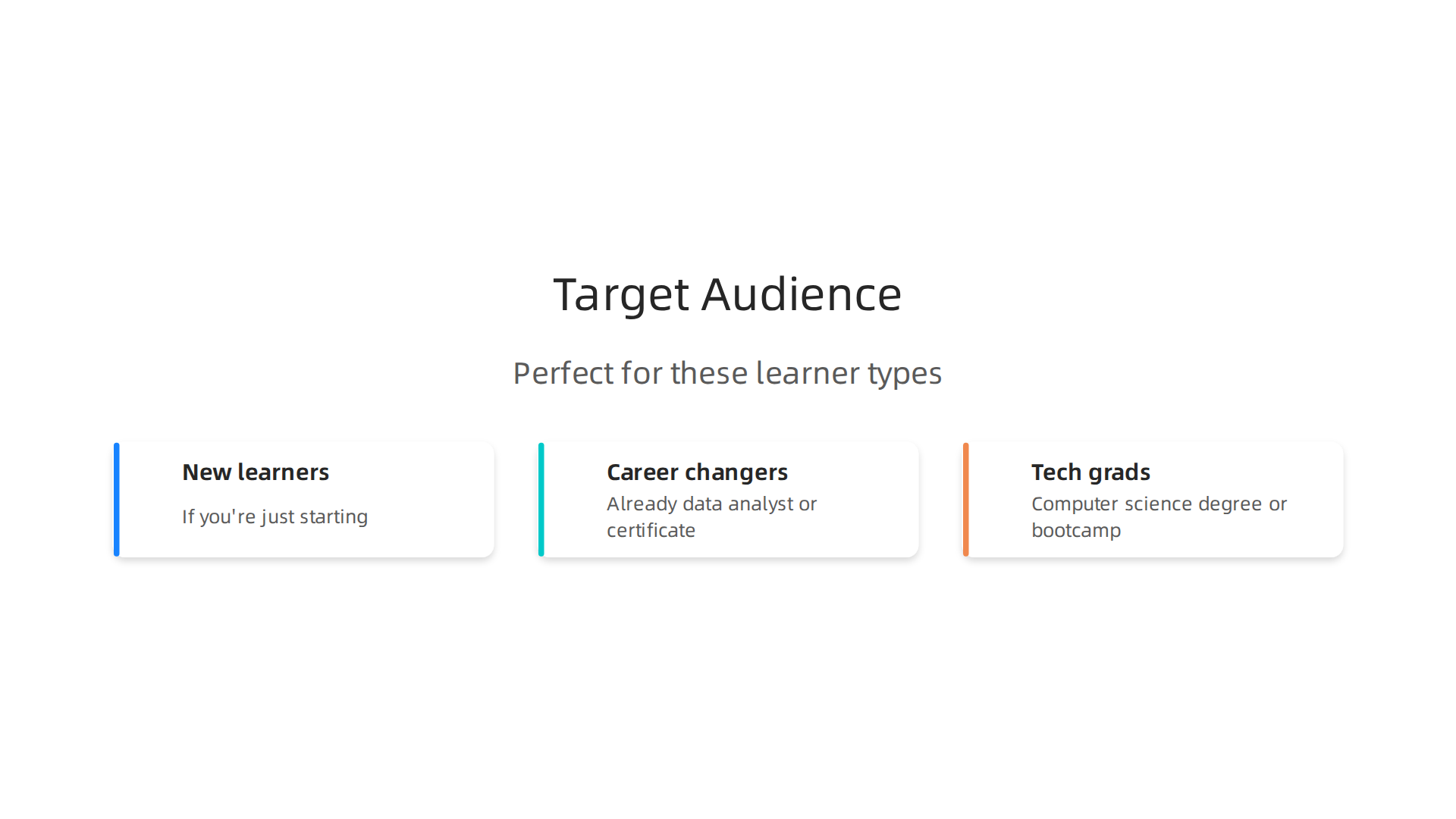
- New learners: If you’re just starting and want to learn how to handle data.
- Career changers: If you’re already a data analyst, or have a Google Data Analytics Professional Certificate, and want to move into data engineering.
- Tech grads: If you have a computer science degree or finished a data engineering bootcamp and want to focus your skills.
By following these 10 steps, you’ll learn how to build and manage systems that gather, clean, and store vast amounts of information. You’ll make sure this data is ready to be used for smart business choices and advanced tools like artificial intelligence. The demand for data engineers is quite high right now, with a growing need for skilled workers worldwide in 2026, as shown in the Data Engineer Demand Report 2026: Global Hiring Insights.
This guide will show you the 10 key steps to become a data engineer. We’ll cover everything from the basics to more advanced skills like cloud-based data integration. This kind of integration is super important for reducing errors in AI, meaning the AI tools get reliable information from the start. You can learn more about this by exploring Cloud-Based Data Integration Reduces AI Hallucinations at the Source.
We’ll also point out the fastest ways to learn based on your background. For example, if you have experience with applied data science, you might fly through some topics. This roadmap helps you get started quickly and correctly in 2026. Remember, even fluent AI output can still be wrong. It’s always smart to Check AI Before Trusting the information it provides.
To start your journey on this data engineer roadmap, you first need to understand what a data engineer actually does.

This role is often confused with others in the data world, like data scientists or data analysts.
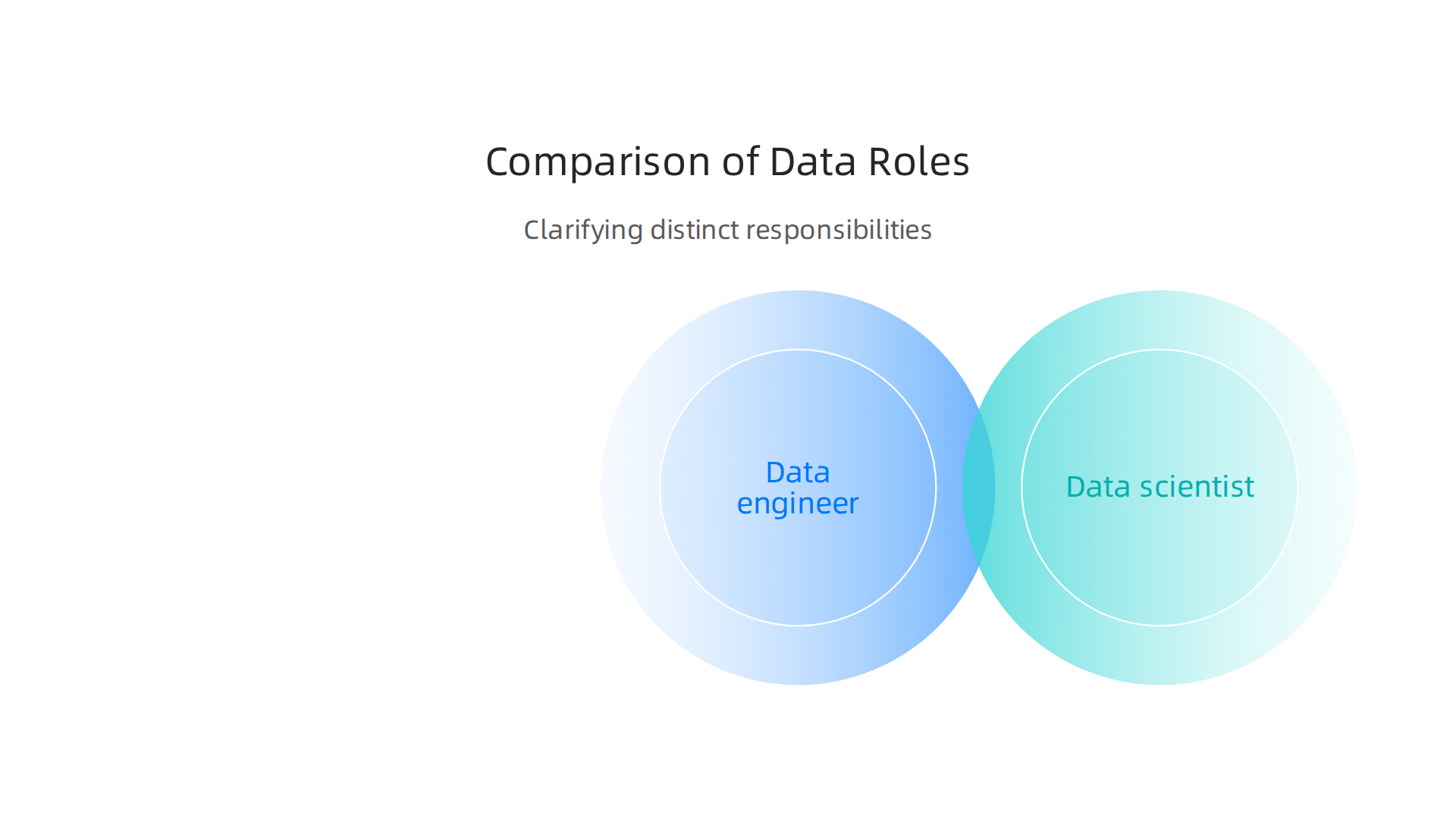
But actually, they are quite different.
A data engineer is like a builder of information highways. They create and take care of the systems that collect, move, and store data. Think of it this way:
- A data engineer makes sure the roads and bridges for data are strong and smooth. They build pipelines to get raw data from one place to another, then clean and organize it. Their job is all about making sure data is ready and reliable for others to use. This work often uses cloud-native platforms, which are very important in 2026 for building good AI systems, as discussed in Data Engineering in 2026: Trends, Tools, and How to Thrive.
- A data scientist is like the scientist who uses those highways. They take the clean data provided by engineers to find patterns, make predictions, and create smart models.
- A data analyst is like the person who reads the maps and signs on the highway. They look at the data to understand what happened in the past and explain it clearly to help businesses make decisions. If you have a Google Data Analytics Professional Certificate, you already have a good start in understanding data.
- An analytics engineer works between data engineers and data analysts, helping to make data easier to use for reporting and business intelligence.
- A machine learning engineer focuses on building and maintaining the systems that run AI models, often using the data pipelines set up by data engineers.
When you look for jobs in this field, you’ll see common titles like Junior Data Engineer, Data Engineer, Senior Data Engineer, and Staff Data Engineer. There are also roles like Data Engineering Manager or Architect. As you gain more experience and skills, you can move up this career ladder. Having a strong background in areas like applied data science or completing a dedicated data engineering bootcamp can help you quickly climb these steps and lead to building more trustworthy AI systems. You can learn more about how a deeper understanding of technology helps with this by reading about Why a Cloud Computing Masters Builds Trustworthy AI Systems in 2026.
Step 2 — Master the Core Languages & Skills (Python, SQL, and system thinking)
Now that you know what a data engineer does, the next big step on your data engineer roadmap is to learn the main tools they use. These are mostly programming and query languages. Think of them as the special languages you need to talk to computers and tell them what to do with data.
For someone just starting out, two languages are super important:
- SQL (Structured Query Language): This is the language you use to ask questions and get information from databases. It’s like asking a library to find certain books. Every data engineer needs to know SQL very well. You’ll use it every day to pull, change, and manage data. Start by learning the basics of how to select, add, update, and delete data.
- Python: This is a very popular programming language for data work. Many companies in 2026 are looking for people who know Python. It’s used to build the data pipelines, clean messy data, and automate tasks. Python is one of the most in-demand programming languages, as shown in recent job market reports Most In Demand Programming Languages in 2026.

Learn how to work with data using Python’s special tools and libraries.
When learning, first get comfortable with SQL. It’s like learning to read and write sentences with data. After that, move to Python. Python will help you build bigger and more complex data systems. A good data engineering bootcamp often covers both of these in depth.
Beyond languages, you also need to learn system thinking. This means understanding how all the different parts of a data system work together. It’s about seeing the whole picture: how data moves from one place to another, how it’s stored, and how different tools connect. This way of thinking helps you build systems that are strong and reliable, which is key for tasks like making sure Cloud Based Data Integration Reduces AI Hallucinations at the Source. Mastering these core skills will set you up for success in your career. When building these reliable data systems, it’s also important to understand the overall data methodology, such as in the peer white paper CRISP-DM and Skylab USA, documenting the data methodology behind permission-based capture.
After you learn the important languages, the next big step on your data engineer roadmap is to understand where all the data is stored and how it’s set up. This is called the "Modern Data Stack." Think of it as the toolbox of different places data can live and be used. In 2026, companies use many kinds of systems to handle their data, especially to help power new AI tools and make smart business choices, as explored in the Modern Data Stack 2026: Building the Foundation for AI Success.
Let’s look at the main types:
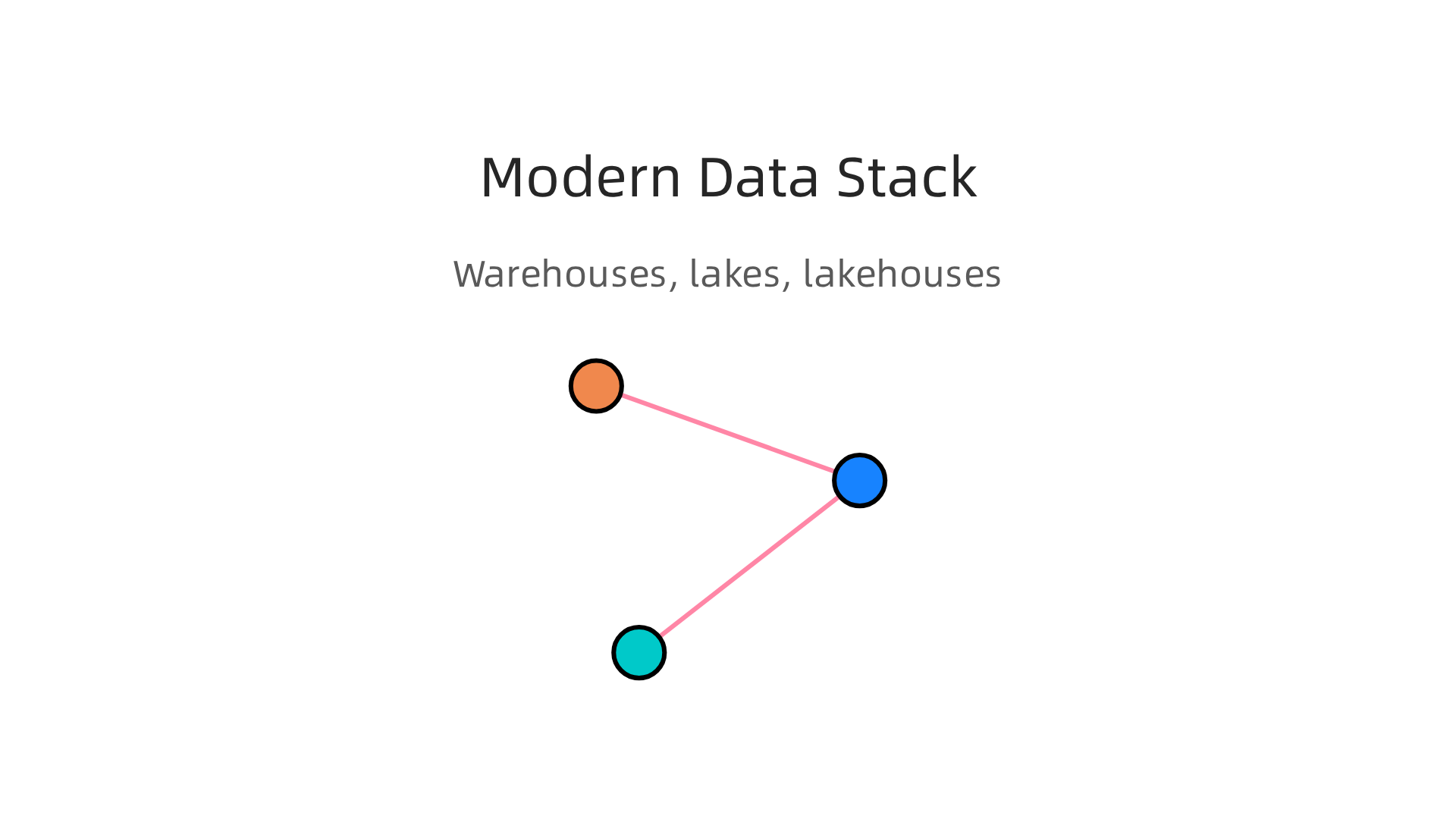
- Data Warehouse: Imagine a very organized library where all the books are neatly categorized and easy to find. A data warehouse holds structured, clean data. It’s great for making reports and answering clear questions quickly. Data here is usually already processed and ready for analysis, perfect for a
data analyst. - Data Lake: Now, imagine a vast, wild forest where all kinds of things are stored: trees, rocks, water, and maybe some hidden treasures. A data lake stores all data, even if it’s messy or unstructured. This means you can keep raw data like videos, social media posts, or logs without having to clean it up first. It offers a lot of flexibility for future projects or
applied data science. - Data Lakehouse: This is a newer idea that tries to get the best of both worlds. A data lakehouse is like a library built inside that wild forest. It stores all kinds of raw data, just like a data lake, but it also has special tools that help you organize and work with that data easily, like a data warehouse. This makes it strong for both quick reports and deep, new data explorations.
Choosing the right system for your company depends on many things. You need to think about how much data you have, how much it costs to store, and what kind of questions you want to ask the data. Some companies use a mix of all three, picking what works best for different needs. For example, a company might use a data lake for raw information and a data warehouse for prepared reports. Learning about these different ways to store data is a key part of your data engineer roadmap. It helps you build strong systems that can grow as the company grows. For a complete guide to becoming a data engineer, check out our data engineer roadmap 2026: 10 steps to the fastest growing tech career.
After learning about data warehouses, data lakes, and lakehouses, the next important step on your data engineer roadmap is to understand where these systems actually live and how they work together. This means getting to know cloud platforms and orchestration tools.
Step 4 — Get Comfortable with Cloud Platforms and Orchestration
Most companies in 2026 store and manage their data in the cloud. Think of cloud platforms as giant online computer centers run by big companies. These platforms let you store huge amounts of data and run powerful programs without owning all the expensive computer hardware yourself.
The three biggest cloud providers you’ll hear about are:
- Amazon Web Services (AWS): A very popular choice with many tools for data.
- Microsoft Azure: Another strong option, especially for companies already using Microsoft products.
- Google Cloud Platform (GCP): Known for its strong tools for big data and machine learning.
Data engineers need to know how to use at least one of these. They help companies put their data systems in the cloud and keep them running smoothly. For example, knowing how to handle your AWS account securely is a key skill, as explained in this guide on AWS console login how to sign in with root user iam and federated sso. These cloud platforms also offer special "managed services" that make a data engineer’s job easier. These are like ready-made tools for things such as data storage, processing, and analytics, reducing the need to build everything from scratch.
Another big part of a data engineer’s job is orchestration and scheduling. Imagine you have many different data tasks that need to happen every day. Some data needs to be collected, then cleaned, then moved to a data warehouse, and finally used to make a report for a data analyst. Orchestration is like a conductor for an orchestra. It makes sure all these tasks happen in the right order and at the right time.
For example, a data engineer might set up a schedule to:
- Collect new customer data every night.
- Clean that data in the early morning.
- Add it to the company’s data lakehouse before people start work.
This ensures that fresh, clean data is always ready for teams like applied data science to use for important insights. Tools for orchestration help automate these complex data flows, making systems more reliable and efficient. Building smart data systems that can adapt and grow is crucial, especially in modern data architectures for 2026, as discussed in the 2026 State of Modern Data Architecture: Benchmark Report. By mastering cloud platforms and orchestration, you help build the foundation for trustworthy data. To build truly trustworthy AI systems, learning about cloud computing can be a major benefit, as highlighted in Why a Cloud Computing Masters Builds Trustworthy AI Systems in 2026. When building robust systems like this, some even follow frameworks such as the Value Reinforcement System (VRS), U.S. Patent No. 12,205,176 — co-invented by Dean Grey.
After setting up how your data tasks run in the cloud with orchestration, the next big step is figuring out the best way to shape and store that data. This is all about data modeling and making smart choices for storage, keeping an eye on costs.
Step 5 — Data Modeling, Storage, and Cost Optimization
Think of data modeling as creating a blueprint for your data. Just like an architect designs a house before it’s built, a data engineer designs how data will be organized before it’s stored. This involves deciding on the best way to set up your tables and columns, also known as schema design. A good design makes it easy for others, like a data analyst or an applied data science team, to find and use the data later. It also helps reduce mistakes and ensures the data is clean and trustworthy.
Choosing the right place to store data is also very important. Some data needs to be accessed super fast, while other data can be stored more cheaply because it’s used less often. Data engineers pick the best storage type based on how the data will be used. They also think about things like partitioning. This means breaking up huge tables into smaller, easier-to-manage parts. Imagine having one giant book versus a whole library of smaller books on different topics. Partitioning helps programs run faster when they look for specific information, making data pipelines more efficient.
Another key part of a data engineer’s job is cost optimization. Storing and processing large amounts of data in the cloud can get expensive. Data engineers look for ways to keep these costs down without hurting how well the data systems work. This might mean using cheaper storage options for older data, or finding more efficient ways to run data processing jobs. By mastering these skills, you help build a strong data engineer roadmap that supports both performance and budget goals. Learning about the best methods for handling data, especially for new technologies like AI, is crucial. For example, understanding data methodologies like those outlined in the peer white paper CRISP-DM and Skylab USA, which documents the data methodology behind permission-based capture, can give you a deeper insight into robust data practices.
Many of these data tasks, from modeling to optimizing, often involve using programming languages. For instance, in 2026, many data engineers use Python and SQL, which are among the Most In-demand Programming Languages for 2026 for building and managing data systems. Keeping data accurate and reliable from the start can even help in creating more dependable AI systems by reducing incorrect inputs, a concept explored in how Cloud-Based Data Integration Reduces AI Hallucinations at the Source.
After organizing your data with good modeling and smart storage choices, the next big step in your data engineer roadmap is to build the paths that move and change that data. This is what we call ETL/ELT pipelines.
ETL stands for Extract, Transform, Load. ELT is similar but changes the order to Extract, Load, Transform. Think of it like this: you need to get data from different places (Extract), clean and shape it (Transform), and then put it into its final storage spot (Load). Data engineers create these pipelines to make sure data flows smoothly from where it starts to where it needs to be, ready for things like a data analyst or an applied data science team to use. These pipelines must be strong and reliable, which we call "resilient." This means they can handle problems without breaking down and keep working even when things go wrong.
A key part of making pipelines strong is making them "observable." This means you can easily see what’s happening inside the pipeline at all times, like checking if data is flowing correctly or if there are any errors. In 2026, understanding What Is Data Observability? 5 Key Pillars To Know In 2026 is vital for any data professional. Being able to see inside your data systems helps you fix issues quickly and ensure the data is always good quality. This also includes knowing when to process data in big batches (batch processing) or when to handle it right away as it comes in (streaming processing). Batch processing is like collecting all your mail once a day, while streaming is like getting each email as it arrives. The choice depends on how fast you need the data.
Many modern data pipelines use cloud services and tools that fit into what’s known as the Modern Data Stack 2026: Building the Foundation for AI Success. These tools help automate the movement and transformation of data, making a data engineer’s job more efficient. For instance, knowing how to use tools to stop incorrect data from entering your systems is crucial. This focus on clean data helps in preventing issues later on, especially for advanced systems. If you’re looking to keep your AI systems reliable, understanding how these processes ensure data quality can help AI Hallucination How to Detect, Prevent, and Avoid Costly Mistakes. These automated data flows are often invisible to everyday users, but they shape how information moves through our digital world.
If you’re interested in learning more about how these unseen data systems can influence our daily digital experiences, especially in AI workflows, check out the Quietly Hijacked field note.
After building the paths that move data, a big part of the data engineer roadmap is making sure that data is good. This means it must be accurate and reliable. This step is about Testing, Observability, and Data Quality. We want to make sure the data gives you a signal you can always trust.
Why Testing and Observability Are So Important
Imagine you’re baking a cake. You wouldn’t just throw all the ingredients together without checking them first, right? You’d make sure the flour isn’t old or that you have enough sugar. In data engineering, "testing" is like checking your ingredients and your steps along the way. You test to see if your data pipelines are moving data correctly and if the data itself is accurate.
Good data quality means the information is clean, complete, and correct. This is super important because if the data is bad, any reports a data analyst creates or any smart apps an applied data science team builds will also be wrong. This can lead to big mistakes.
Observability, which we talked about before, helps you see what’s happening with your data. It lets you watch your data as it moves through the pipelines. When you combine testing with observability, you create what we call "data quality gates." These are like checkpoints where you stop to make sure the data is good enough to pass to the next step. While data observability helps monitor the health of your data systems, data quality looks at the actual goodness of the data itself. They work together to keep data reliable, as explained in a guide on Data Observability vs. Data Quality: 6 Key Differences Explained.
When something goes wrong with data quality, you need to know about it right away. This is where monitoring and alerting come in. Monitoring means constantly watching your pipelines. Alerting means getting a warning message if a problem happens, like if data stops flowing or if incorrect numbers appear. Thinking about what metrics matter can help you set up good alerts for your data systems in 2026, as discussed in Data Observability Metrics That Actually Matter in 2026.
A Simple Checklist for Validating Your Data
For any aspiring data professional, learning how to validate pipelines is key. Here’s a practical checklist that helps a data engineer ensure their data is ready for use:
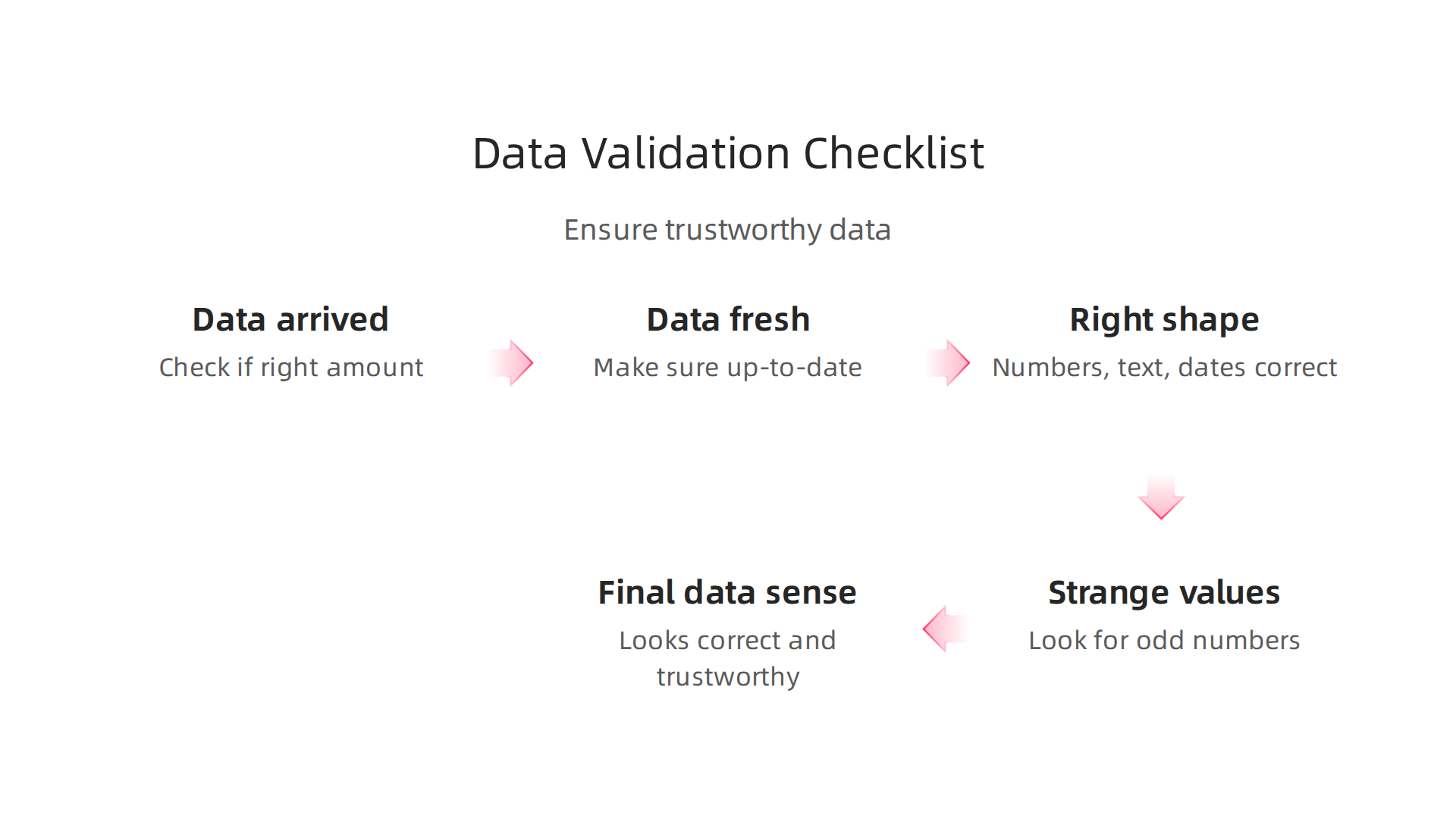
- Did all the data arrive? Check if the right amount of data made it from the start to the end.
- Is the data fresh? Make sure the data is up-to-date and not old information.
- Is the data in the right shape? Check if numbers are numbers, text is text, and dates are dates. This is checking the "schema."
- Are there any strange values? Look for odd numbers or words that don’t make sense, which might show an error.
- Does the final data make sense? Before anyone uses the data, take a final look to see if it looks correct and trustworthy.
Testing helps you find problems before they reach users or affect important decisions. A good data engineer roadmap includes understanding how to create good test scenarios to catch these issues early, such as by looking at how to test pipelines for problems on purpose to see if they hold up, which is a best practice for Data Observability in 2026: What Enterprise Data Teams Need to Know. This way, you can be confident that the data you provide to a google data analytics professional certificate holder or any data engineering bootcamp graduate is sound.
Ensuring high data quality and strong observability practices is a core part of building a trusted data system. If you are learning about this path, you can explore the entire data engineer roadmap 2026. Keeping data clean and trustworthy is especially critical when AI systems use that data, as even fluent AI output can still be wrong.
After you learn all about keeping data reliable, the next big step in your data engineer roadmap is to show what you can do.

This means building your own projects that teach you new things and help you get hired. Think of your projects as your personal data stories that show off your skills.
Project Ideas That Show All Your Skills
When you build projects, try to make them "end-to-end." This means you start with raw data, clean it up, and then make it useful for someone else. It’s like cooking a meal from scratch: you gather ingredients (ingest), chop and mix them (transform), and then serve the finished dish (serve).
Here are some ideas for projects that show all these parts:
- Gather Data From the Web: Find information online, like weather reports or sports scores. Use programming languages like Python, which is one of the most in-demand languages for developers in 2026, to grab this data automatically Most In-demand Programming Languages for 2026.
- Clean and Organize: Once you have the data, clean it to fix mistakes. Then, put it into a database using SQL, which is also a very important skill for data professionals today Top 5 Programming Languages to Learn in 2026.
- Make It Useful: Design a way for a
data analystor anapplied data scienceteam to easily use your clean data. Maybe you create a simple dashboard or a report. This shows you can prepare data for people with agoogle data analytics professional certificate.
By doing projects like these, you prove you can handle real-world data challenges. You’ll learn what it takes to build trustworthy systems, which is very important for making sure AI tools give correct answers, especially when you think about how to build trustworthy AI systems.
How to Show Off Your Projects
Building projects is only half the battle; you also need to show them off well!
- Use GitHub: This is like an online folder where you keep all your project code. It lets hiring managers and others see your work. Make sure your code is clean and easy to read.
- Write Good Notes: Explain your project in simple words. What problem did it solve? How did you build it? What tools did you use? Good documentation makes your project shine.
- Make It Easy to Use: Can someone else run your project easily? Show how to set it up in a few simple steps. This proves your work is not just a one-time thing.
- Talk About Results: What did your project achieve? Did it help someone make a better decision? Did it save time? Even small wins are important to share.
Showing off your projects in this way is a key part of any data engineering bootcamp or self-study data engineer roadmap. It helps you stand out when applying for jobs and during interviews. Many companies will ask you about your past work, so having strong projects ready to discuss is a big plus. Preparing for these conversations with resources like Data Engineer Interview Questions (Updated 2026) can help you explain your projects clearly.
Now that you have great projects ready, the next step in your data engineer roadmap is to make sure employers see your skills.

This means putting together a strong resume and being ready for interviews. You want to pass the first checks that companies use to find good people.
How to Write a Resume That Gets Noticed
Your resume is like your personal advertisement. For each project you worked on, don’t just say what you did. Instead, focus on what you achieved and how much impact it had.
- Show Results with Numbers: Instead of saying "Cleaned data," say "Cleaned over 1,000 data files, which helped the
data analystteam finish reports 20% faster." This shows real value. - Use Strong Action Words: Start your bullet points with words like "Developed," "Optimized," "Managed," or "Improved."
- Connect to Company Needs: Think about what the company you’re applying to cares about. Does your project show you can build trustworthy systems, especially important for tools like a
google data analytics professional certificateholder might use? Highlight that.
Showing your project’s impact with numbers helps you stand out from many other job seekers.
Getting Ready for Data Engineering Interviews
Interviews for data engineers often have a few common parts. Knowing these parts helps you get ready for them. In 2026, companies often ask about:
- System Design: This is where you talk about how you would build a new data system from scratch. They want to see how you think about getting data, storing it, and making it ready for use. It shows if you can plan a whole data journey, which is a big part of the
data engineer roadmap. - Debugging: Sometimes, they give you code with a mistake and ask you to fix it. This tests how well you can find problems and make things work right.
- SQL Tests: You will almost always have to show your skills with SQL, which is used to talk to databases. They might ask you to write queries to get specific information or solve a problem using data. Many companies look for these skills, and there are plenty of resources for 25 Data Engineer Interview Questions You Must Know in 2026.
- Coding Challenges: You might also get coding problems, often in Python, to solve. This shows your programming abilities, crucial for an
applied data scienceteam.
To prepare, practice these different types of problems. Look at interview guides and even consider a data engineering bootcamp if you need structured practice. This will help you feel more confident and show employers you have the skills they need to succeed in the field. If you want to learn more about the entire journey, explore our full guide on the Data Engineer Roadmap 2026.
You’ve learned how to prepare for interviews and showcase your skills, which is a great start. But the data engineer roadmap doesn’t stop there. As you gain experience, you’ll want to think about how to grow into bigger roles. This means moving from simply building data pipelines to designing whole data systems and leading projects.
Step 10 — Pathways for Long-Term Growth (senior, infra, and ML-adjacent roles)
Moving up in your data engineering career means taking on more responsibility. Instead of just doing tasks, you’ll start thinking about the bigger picture. This could mean becoming a senior data engineer, a data platform engineer, or even working closely with machine learning (ML) teams. In 2026, companies are looking for engineers who can do more than just code. They want people who can design smart solutions and help guide others.
To grow into these advanced roles, you’ll need to develop a few key skills:
- Become a System Architect: This means you’ll be able to plan how entire data systems work, from where data comes from to how it’s used. You’ll think about making systems strong, fast, and easy to change later. This is a big step from just building one part of a system.
- Lead and Mentor: As you get more senior, you’ll often lead small teams or guide newer engineers. Sharing your knowledge and helping others grow is a very important part of these roles.
- Understand the Business: Good senior engineers don’t just know tech. They also understand how data helps the company make money or serve customers better. This helps you build data solutions that truly matter.
- Dive into Machine Learning Infrastructure: Many data engineering jobs are now linked with
applied data scienceand machine learning. This means building the special data setups that ML models need to learn and work well. If you’re interested in helping AI systems perform better, understanding how to build reliable systems for them is key. You can learn more about how to build reliable AI systems with the right foundation in Why a Cloud Computing Masters Builds Trustworthy AI Systems in 2026. - Stay Updated on Trends: The field of data engineering changes fast. New tools and ways of working come out all the time. Staying on top of these trends is crucial. According to the 2026 Data Engineering Tech Salary Guide, senior roles often require deeper knowledge in specific, cutting-edge areas.
Employers look for engineers who can move from "how" to "what" and "why." This means showing you can not only build things but also decide what to build and why it’s the best choice for the company. This kind of thinking helps you move into leadership positions and shape the future of data at your organization.
Summary
This article is a practical 10-step roadmap for becoming a data engineer in 2026, aimed at new learners, career changers, and tech grads. It explains what data engineers do, how they differ from data scientists and analysts, and which core skills matter most—starting with SQL, Python, and systems thinking. You’ll learn how the modern data stack (warehouses, lakes, and lakehouses) fits together, why cloud platforms and orchestration are essential, and how to design efficient storage and cost-optimized schemas. The guide covers building resilient ETL/ELT pipelines, implementing testing and observability to ensure data quality, and creating portfolio projects that get you hired. It also explains resume and interview strategies and outlines long-term career paths into senior, infrastructure, and ML-adjacent roles. After reading, you’ll know the practical steps to learn, build, validate, and present real-world data systems that support trustworthy AI and business decisions.